
A parked domain you own is being blocked — by a corporate firewall, a security product, or a mailbox provider — and you want it to stop. This is a different problem from securing a parked domain against spoofing, though the two are related. There are three separate reasons a parked domain gets blocked, and each has its own fix.
Parked domain listed on a blocklist?
We find what got it listed and handle the delisting.
Book a 30-min callSecurity vendors block the "parked" category wholesale
Palo Alto, NordVPN, and most corporate DNS filters classify parked domains as a URL category and block it outright — not because your domain did anything, but because parked pages as a class are a favorite staging ground for phishing redirects and malware drops. If your domain resolves to a registrar's default parking page with ads on it, enterprise firewalls will treat it as untrusted. The fix isn't a delisting request; it's changing what the domain resolves to. Point it at a real page — even a one-line "this domain belongs to [company]" placeholder on your own hosting — or redirect it to your primary domain, and the category classification follows.
Mail from the domain is being rejected
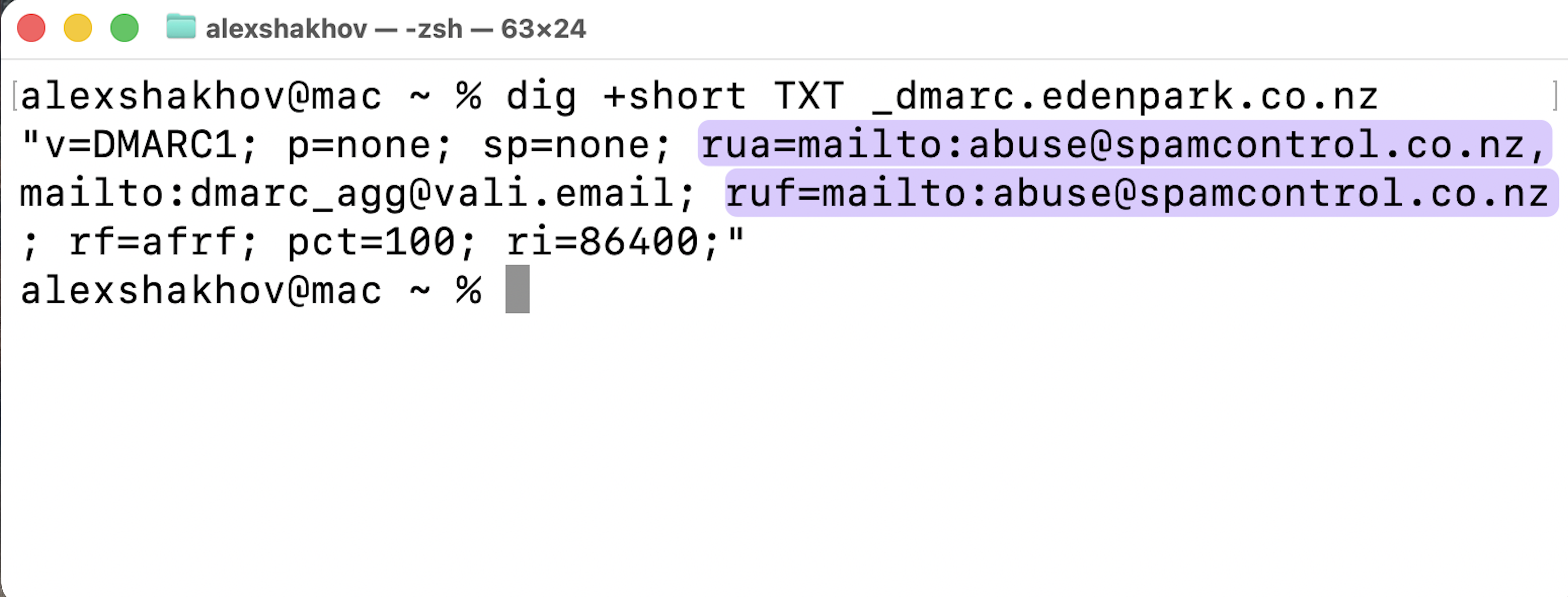
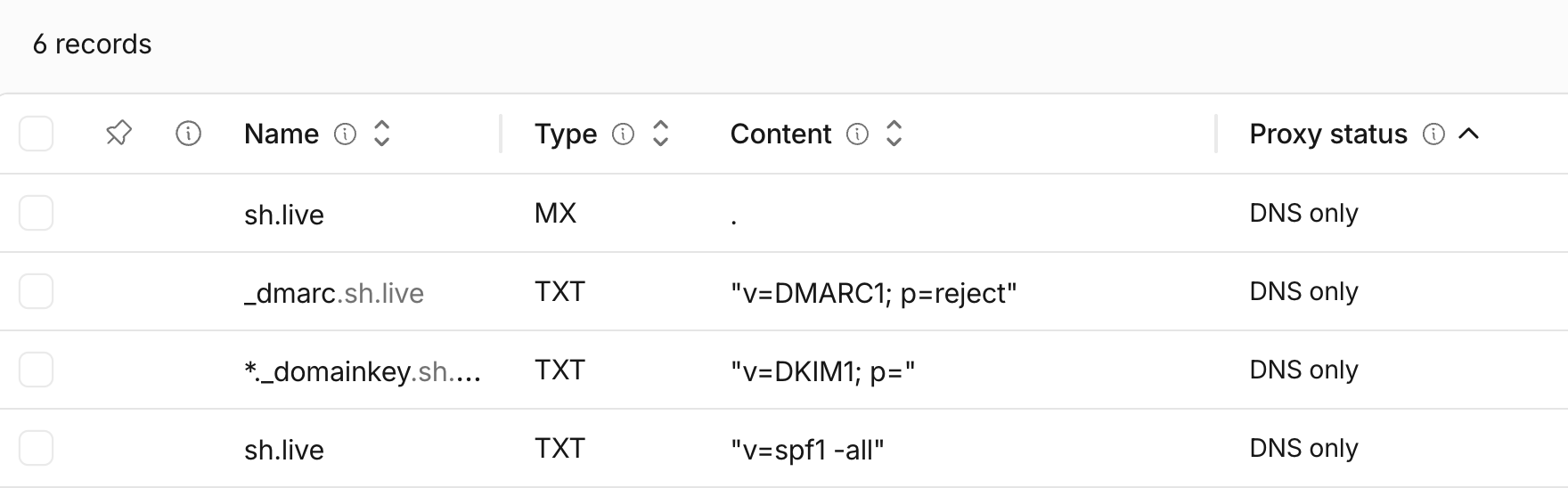
If anything tries to send email from a parked domain — a forgotten integration, a migration leftover, or an attacker spoofing it — receiving servers have no authentication records to check it against, and increasingly they reject rather than guess. If you're seeing bounces referencing a domain you thought was inactive, first establish who's actually sending: check whether any legitimate system still uses the domain, then look at whether the four records in the full hardening guide exist. No SPF, no DMARC, and live mail flow is exactly the situation attackers look for.
The domain has already been abused and listed
A parked domain with no protective records can end up on URI blocklists like SURBL or Spamhaus DBL without ever sending a legitimate message — spoofed mail carrying its URLs does the damage. Check the domain at surbl.org/lookup and a multi-blocklist checker. If it's listed, the remediation is the same sequence we use for active domains: publish the four records so the abuse stops, then request delisting with documentation of what changed. We've covered the full delisting process in our SURBL removal guide.
The common thread: a blocked parked domain is not a nuisance to wait out. It's a signal that the domain is either misclassified because it's serving a junk parking page, or actively being used by someone who isn't you.
Once the domain is unblocked, harden it so it doesn't happen again — the four DNS records are in the full guide.