

AgentLoft
A multi-tenant email platform had BAD IP reputation and no visibility into which customers were causing it. We designed an API-driven subuser architecture for per-customer tracking, then recovered the entire network's reputation by fixing its largest sender — 5% → 1.2% block rate, 3x open rates, in two months.

Background
AgentLoft is a multi-tenant email platform serving real estate agents and teams. Customers send campaigns from their own domains - but all traffic flows through AgentLoft's shared SendGrid infrastructure.
Each customer sends from their own domain, but everyone shares the same IP pool. One customer's poor sending practices can degrade deliverability for the entire network.
AgentLoft partnered with SH Consulting on two objectives:
1. Recover and stabilize the reputation of the sending infrastructure
2. Design a scalable, API-driven architecture - provision new customers with no manual overhead, with complete visibility into each customer's sending behavior and reputation
The Challenge
AgentLoft's SendGrid infrastructure faced significant reputation challenges:
1. IP reputation: BAD - ~5% blocking rate across all sending IPs
2. Engagement: ~14% open rate, ~1% click rate
3. Zero per-customer visibility - no way to target remediation
4. Manual provisioning - every new customer configured by hand
The core issue: AgentLoft couldn't improve what it couldn't measure.
The Approach
SH Consulting addressed both challenges through a coordinated two-track approach:
Track 1: Scalable Subuser Architecture
SH Consulting designed and documented a comprehensive API-based subuser provisioning workflow that automates SendGrid account creation and configuration for each new AgentLoft customer.
The architecture provides several benefits:
Automates the provisioning of an isolated SendGrid environment for each new AgentLoft customer.
Domain authentication, IP assignment, and click tracking, can all be configured automatically without manual intervention.
Subuser isolation provides complete visibility: AgentLoft can now see exactly how each customer is performing and quickly identify specific problems.
Rather than implementing broad-brush policies that affect all customers, AgentLoft can target interventions at the specific accounts creating problems, without degrading service for high performers.
Track 2: Reputation Recovery Strategy
With the new architecture in place, Raleigh Realty, by far the largest sender on the AgentLoft network, was chosen as the test case for reputation recovery.
The recovery strategy used an aggressive engagement-based sunsetting approach:
Phase 1: Implement aggressive 30-day sunsetting window on Raleigh Realty's sending to eliminate low-engagement, potentially problematic recipients
Expected outcome: sending volume would drop significantly, but engagement metrics (opens and clicks) would remain relatively flat, indicating improved list quality
Phase 2: As reputation signals improved, gradually loosen the sunsetting policy to allow re-engagement with previously purged contacts
Success metric: both engagement rates AND absolute volume (total opens and clicks) would increase, proving that the network reputation had recovered
The results exceeded expectations. By focusing reputation recovery efforts on Raleigh Realty, the largest sender on the network, SH Consulting was able to lift the reputation of AgentLoft's entire SendGrid infrastructure.
Network-Wide IP Reputation
Google Postmaster IP reputation: BAD → Medium (within 2 months)
Network-wide blocking rate: 5% → 1.2% (75% improvement)
IP Reputation
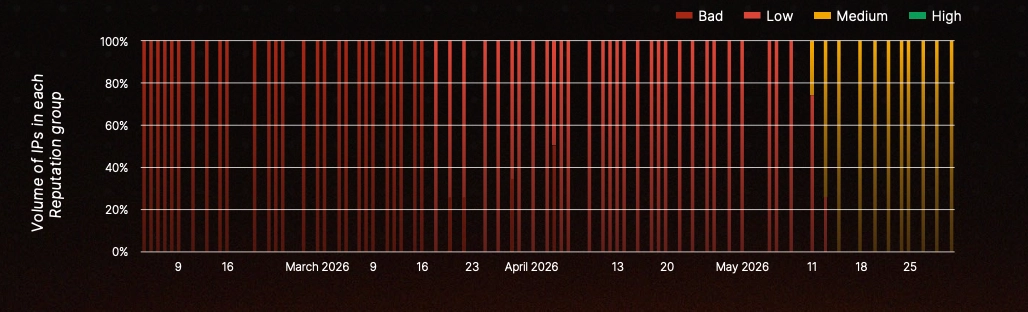
IP Reputation Improvement: From predominantly Bad/Low reputation (dark red) to Medium (yellow) by May 2026
Raleigh Realty Performance (Test Case)
Domain reputation: Bad → Medium
Unique open rate: ~14% → ~42% (3x improvement)
Unique click rate: ~1% → ~4% (4x improvement)
Block rate: ~5% → ~1.2%
Domain Reputation
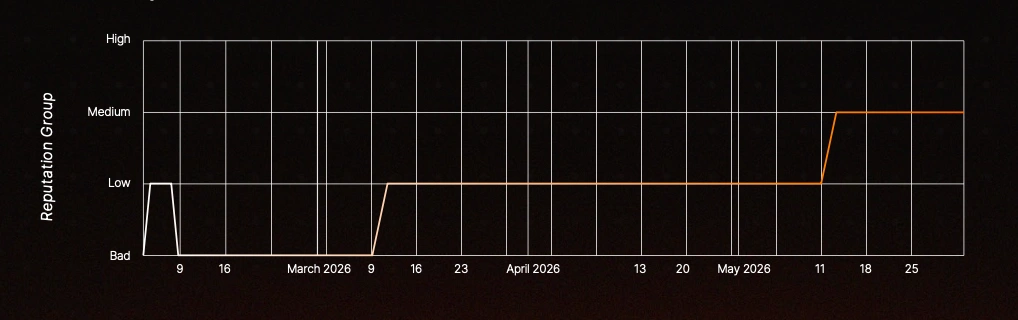
Domain Reputation Improvement: raleighrealty.com improved from Bad through Low to Medium by May 2026
Engagement & Blocking Trends
Unique Open% VS. Date
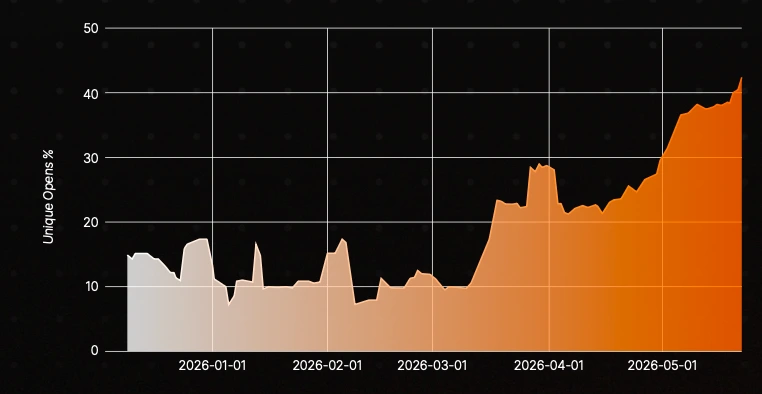
Open Rate Improvement: Unique open rate climbed from ~14% to ~42% over the engagement period
Unique Click% VS. Date
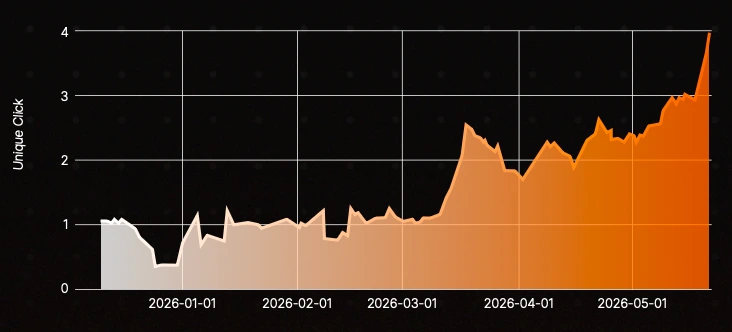
Click Rate Improvement: Unique click rate increased from ~1% to ~4%
Blocks% VS. Date
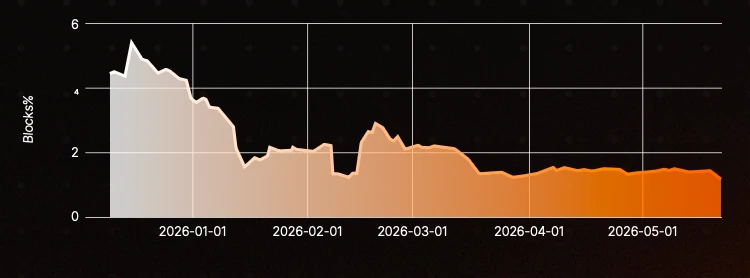
Block Rate Improvement: Network blocking rate declined from ~5% to ~1.2%
Aggressive sunsetting
1
Sending volume drops sharply - but total opens and clicks stay flat.
The signal
2
Flat engagement on falling volume meant the toxic weight was gone. Reputation signals improving.
Loosen the policy
3
Both engagement rates and total engagement grow - recovery confirmed.
Flat engagement during a volume drop was the signal that recovery was working.
SH Consulting delivered multiple layers of value to AgentLoft:
1
Scalable Infrastructure for Growth
Once implemented, the API-driven subuser architecture will allow AgentLoft to onboard new customers without manual SendGrid configuration. Each new customer gets a properly authenticated, isolated sending environment with complete reputation tracking, all provisioned automatically.
2
Network-Wide Reputation Recovery
IP reputation improved from BAD to Medium in two months by targeting behavior on a single high-volume sender. This lifted deliverability for the entire network.
3
Complete Visibility into Customer Performance
With isolated subusers and independent webhook tracking, AgentLoft will be able to see exactly how each customer is performing. They can identify high performers to learn from, and can target interventions for customers who are creating reputation risk without broad-brush policies that affect everyone.
4
Proven Reputation Recovery Playbook
The sunsetting strategy demonstrated that aggressive, data-driven engagement policies can recover network reputation. This approach can be applied to other customers or issues in the future.
Multi-tenant email platforms face a fundamental tension: one customer's poor sending practices can degrade deliverability for everyone. However, the solution isn't broad restrictions that hurt high performers, it's visibility and targeted intervention. AgentLoft's case demonstrates how proper architecture and strategic reputation management can work together:
Architecture matters: Isolated subusers with independent tracking provide the visibility needed to manage multi-tenant networks effectively
Reputation recovery requires focus: By concentrating effort on the largest sender, AgentLoft lifted reputation for the entire network
Data-driven strategy wins: The sunsetting approach worked because it was measured, iterative, and based on real signals
Scalability requires planning: With infrastructure in place, AgentLoft can now grow their customer base while maintaining high deliverability standards
AgentLoft went from struggling with network-wide reputation issues to having the architecture and playbooks needed to scale a high-performing email service. With IP reputation now at Medium and a clear path to High, they're ready for growth.
Want results like these?
Download
